


Sustainable Stormwater Management Strategies for Residential Properties
Stormwater runoff is a common challenge in urban residential areas where paved surfaces, roofs, and driveways limit natural water absorption. In regions such as the Greater Vancouver area, rainfall patterns and dense residential development make stormwater management an important aspect of property maintenance. Modern Drainage Ltd offers stormwater management strategies in Vancouver to control runoff, reduce drainage pressure, and maintain stable ground conditions around their homes.
Why Sustainable Stormwater Management Matters
Residential stormwater systems are designed to direct rainwater away from structures and landscapes. Without appropriate drainage strategies, excess runoff may accumulate around foundations, yards, and surrounding infrastructure. In some cases, unmanaged runoff may also place additional pressure on underground utilities, such as drainage pipes and waterline connections serving residential properties.
Sustainable stormwater management strategies focus on controlling how rainwater moves across a property and allowing water to infiltrate the ground gradually. These practices can support drainage efficiency and help maintain soil stability during heavy rainfall.
Common objectives of stormwater management include the following:
- Reducing surface runoff: Managing rainwater flow prevents excessive pooling on driveways, patios, and landscaped areas.
- Protecting foundations: Directing water away from buildings reduces the likelihood of moisture accumulation near structural components.
- Supporting municipal drainage systems: Managing runoff at the property level helps reduce pressure on public stormwater infrastructure.
Rain Gardens and Vegetated Drainage Areas
Rain gardens are landscaped areas designed to collect and absorb rainwater from roofs, driveways, and surrounding surfaces. These gardens are typically planted with vegetation that tolerates periodic moisture conditions.
Vegetated drainage features help manage stormwater by slowing runoff and promoting soil absorption. These areas are often positioned where natural water flow occurs across a property.
Typical features of residential rain gardens include:
- Native plant species: Vegetation adapted to local climate conditions and soil moisture levels.
- Shallow basin design: Depressed landscaping areas that temporarily hold rainwater during storms.
- Layered soil systems: Soil mixtures that promote water infiltration and filtration.
Rain gardens contribute to sustainable stormwater management strategies in Vancouver by allowing rainwater to be absorbed naturally.
Downspout Redirection and Drainage Channels
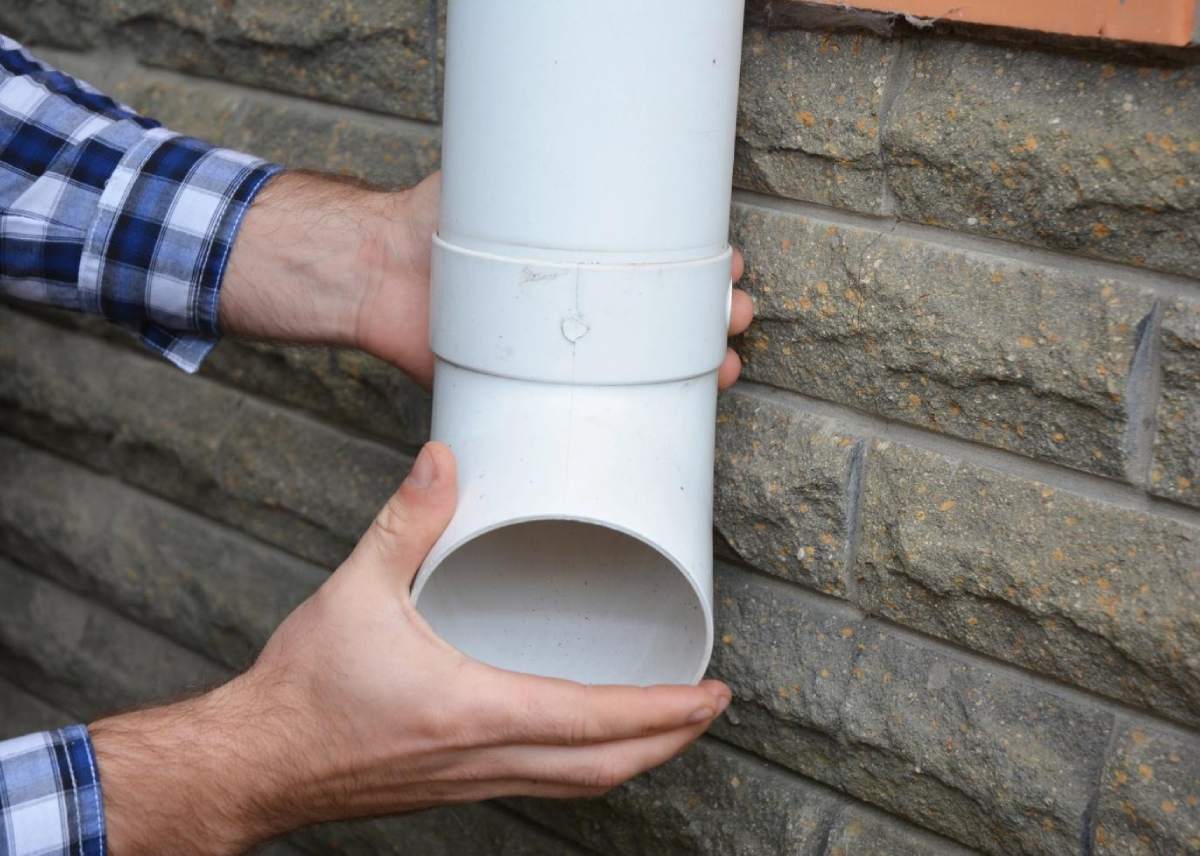
Roof drainage systems play an important role in residential stormwater control. Downspouts collect rainwater from roof surfaces and direct it away from the building. Proper downspout placement and drainage channels help guide water safely across the property.
Common drainage measures include:
- Downspout extensions: Extensions carry roof runoff away from foundations and landscaped areas.
- Surface drainage channels: Shallow channels guide rainwater toward designated drainage zones.
- Underground drainage pipes: Buried pipes transport collected water away from the property.
These systems help distribute runoff more evenly across the landscape.
Planning Sustainable Drainage for Residential Properties
Stormwater management requires careful planning to ensure that rainfall is directed and absorbed safely across a property. Sustainable stormwater management strategies combine landscape design, drainage infrastructure, and permeable surfaces to effectively manage water flow.
Modern Drainage Ltd offers professional stormwater management strategies in Vancouver. Contact our team today; we are located in North Vancouver and provide stormwater management services throughout the Greater Vancouver area.

